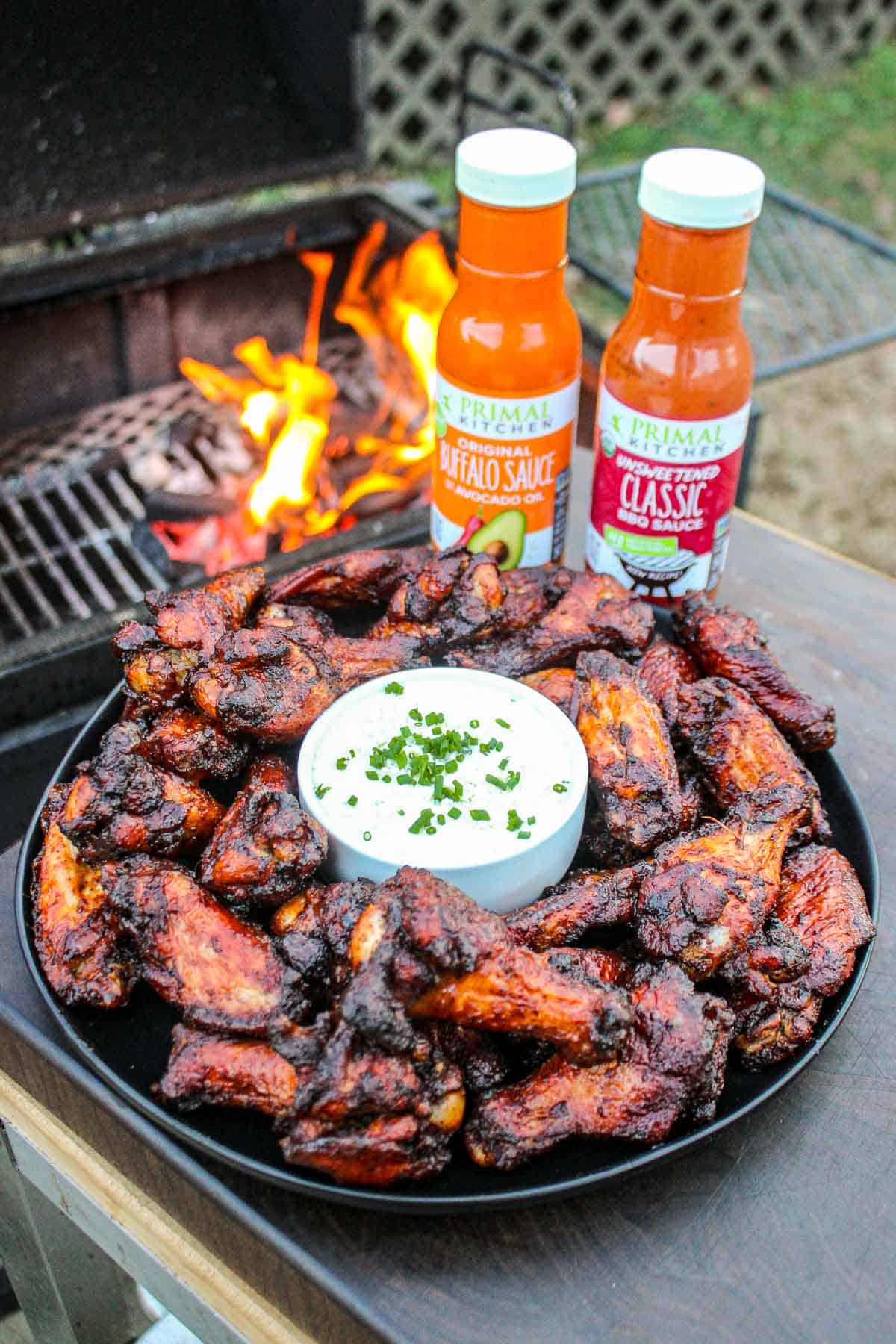
Double Fry & Dry Brine: Unlocking the Secrets to Crispy, Juicy Fried Wings
There’s a universal craving for the perfect fried chicken wing: that exhilarating crunch of a shatteringly crisp skin giving way to incredibly moist, flavorful meat. Too often, however, home cooks are met with disappointment – soggy, greasy, or dry wings that fall short of the restaurant-quality experience. If you’ve chased that elusive perfection, following countless recipes only to find yourself wanting, prepare to turn your kitchen into the ultimate wing haven. The secret to those legendary wings, the kind you can’t stop eating, lies in a few fundamental, yet often overlooked, techniques: the power of a simple dry brine and the magic of the double fry method. This isn't just another recipe; it's a deep dive into the science and art of fried chicken wings. We're going to demystify the techniques chefs use, ensuring you can replicate that irresistible crispiness and juiciness right in your own home. Say goodbye to culinary letdowns and hello to wing nirvana.The Quest for Perfect Fried Chicken Wings: Understanding the Core Principles
What truly separates a decent wing from one that sparks joy with every bite? It boils down to a masterful interplay of texture and flavor. Most common recipes might focus on one aspect, but our goal is to deliver both in spades. We're talking about a crunchy exterior that practically shatters, juxtaposed with succulent, perfectly seasoned meat. The journey to this perfection begins with understanding the enemies of crispiness and the champions of flavor.Why Your Wings Aren't Crispy (Yet!)
The number one antagonist to a crispy chicken wing is moisture. Water on the skin creates steam when it hits hot oil, which can prevent the rapid dehydration needed for a truly crisp texture. Instead, you get a softer, often chewier, skin. Other common pitfalls include:- Insufficient drying: Simply patting with paper towels often isn't enough.
- Incorrect oil temperature: Too low, and wings absorb oil, becoming greasy; too high, and the exterior burns before the inside cooks.
- Overcrowding the fryer: This drops the oil temperature significantly, leading to uneven cooking and greasiness.
- Single frying: While convenient, it rarely achieves the depth of crispness that defines a truly great wing.
Unveiling the Master Secrets: Dry Brine & Double Fry
Achieving truly legendary fried chicken wings hinges on two often-underestimated techniques that work synergistically to deliver maximum crunch and flavor. These methods directly address the challenges of moisture and even cooking.Secret #1: The Power of the Dry Brine
Forget complicated liquid marinades that can add *more* moisture to the skin. The beauty of a dry brine lies in its simplicity and effectiveness. A dry brine typically involves nothing more than salt, often combined with a few complementary spices, applied directly to the surface of the raw chicken wings. Here’s how it works its magic:The salt draws moisture out of the chicken skin through osmosis. This initial surface dehydration is crucial for crispiness. As the salt penetrates, it begins to season the meat from within, enhancing its natural flavors and helping it retain moisture during cooking. Over several hours, the salt also starts to break down some of the muscle proteins, resulting in a more tender and juicy final product. This initial step of getting the wings as dry as possible, especially by letting them air-chill in the fridge after brining, is arguably the most crucial step in your quest for crispy skin. Remember, dryness is king when it comes to crunch!
Secret #2: The Double Fry Method – A Game-Changer
The double fry method is the gold standard for achieving an unbeatable crunch, and it’s a technique beloved by professional kitchens for good reason. It’s also the secret behind the incredible texture of many authentic Chinese takeout fried chicken wings at home, which are often pre-fried and then re-fried to order. This method breaks the frying process into two distinct stages:- The First Fry (Lower Temperature, 250-275°F / 120-135°C): This initial fry is about cooking the wings through, rendering out much of the fat beneath the skin, and beginning the dehydration process. At this lower temperature, the wings cook gently without browning too quickly, ensuring they are fully cooked and tender. They'll emerge pale, but their internal structure will be perfectly prepared for the next stage.
- The Second Fry (Higher Temperature, 375-400°F / 190-205°C): After a brief resting period (which allows residual heat to finish cooking and internal moisture to redistribute), the wings take another dip in much hotter oil. This high-heat blast is where the magic happens. The intense heat rapidly evaporates any remaining surface moisture, causing the skin to crisp up dramatically and achieve that coveted golden-brown, shatteringly crunchy texture.
This dual approach ensures the meat is cooked to perfection without drying out, while the skin achieves an unparalleled crispness that a single fry simply cannot match. It’s the difference between merely cooked chicken and truly *spectacular* fried chicken wings.
Beyond the Basics: Elevating Your Wing Game
While dry brining and double frying are your primary weapons, a few other considerations will elevate your wings from great to unforgettable.The Critical Role of Oil Temperature
We can't stress this enough: controlling your oil temperature with a reliable thermometer is non-negotiable. Guessing leads to disaster.- Too low: The wings will soak up excessive oil, becoming greasy and heavy.
- Too high: The exterior will burn quickly, leaving the inside undercooked and potentially unsafe.
Invest in a deep-fry thermometer and keep a close eye on it. This precision ensures consistent results and perfectly cooked wings every time.
The Starch Shield: An Unsung Hero
While baking powder isn't necessary for fried wings (it's often used for baked wings to create a similar effect), a light coating of flour and cornstarch mixture is highly beneficial. This "starch shield" does a few important things:- It creates a porous, craggy surface that, when fried, becomes incredibly crisp and holds onto sauces beautifully.
- It acts as a protective layer, helping to insulate the meat and prevent it from overcooking while the skin achieves maximum crunch.
For amazing oven chicken wings, you actually don't need baking powder. The secret to a crispy baked chicken wing without baking powder is a light coating of cornstarch and arranging them on a wire rack for even air circulation. However, for fried wings, the flour and cornstarch combo is ideal.
Achieving Crispy Baked Wings (Without Baking Powder)
While this article focuses on the glory of fried wings, it's worth noting that incredible crispiness is also achievable in the oven. As mentioned, baking powder isn't the magic bullet often touted. Instead, a light dusting of cornstarch applied to thoroughly dry wings, combined with baking them on a wire rack set over a baking sheet, allows air to circulate around the entire wing, ensuring even crisping. This method, much like the dry brine for fried wings, prioritizes surface dehydration. For more detailed instructions on both methods, and to really Unlock Restaurant-Quality Crispy Fried Wings: Your Guide, exploring all cooking avenues can be incredibly rewarding.Your Step-by-Step Path to Wing Perfection
Ready to transform your kitchen into the best wing joint in town? Here’s a summary of your foolproof method:- Prep & Dry Brine: Pat wings super dry. Apply a simple dry brine of salt and your favorite spices. Refrigerate uncovered for at least 4 hours, or ideally overnight, allowing the wings to air-chill and dry out completely.
- Coat Lightly: Just before frying, dust the wings lightly with a mixture of all-purpose flour and cornstarch. Shake off any excess.
- First Fry: Heat oil to 250-275°F (120-135°C). Fry wings in batches without overcrowding for 8-10 minutes, until cooked through and pale. Remove and let rest on a wire rack.
- Second Fry: Increase oil temperature to 375-400°F (190-205°C). Fry the wings again in batches for 3-5 minutes, until deeply golden brown and shatteringly crisp.
- Drain & Serve: Remove from oil, drain on a wire rack, and season immediately with extra salt or toss in your favorite sauce.
For those craving the distinct flavor of authentic Chinese takeout fried chicken wings at home, the principles of pre-frying and re-frying are especially relevant, echoing the techniques mastered by restaurant chefs for generations.
