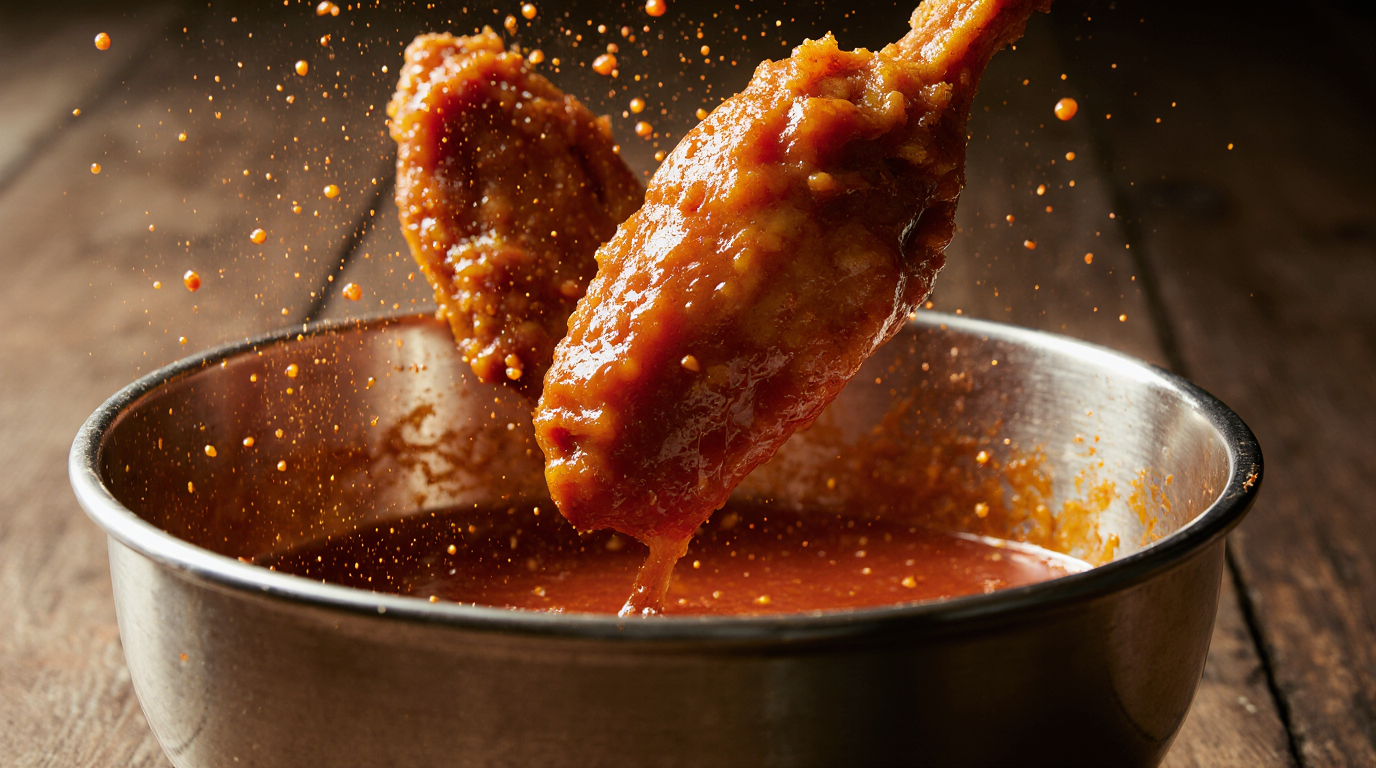
Unlock Restaurant-Quality Crispy Fried Wings: Your Guide
There's a universally acknowledged truth for food lovers: few things rival the sheer delight of biting into a perfectly cooked fried chicken wing. That initial, earth-shattering crunch, followed by a burst of succulent, juicy meat and a symphony of flavor. Yet, how often have you attempted to recreate this magic at home, only to be met with a disappointing, soggy, or greasy imitation? It's a culinary letdown we've all experienced, leaving us longing for the impeccable crispiness and tenderness of our favorite sports bar or Chinese takeout joint.
The good news? Achieving those legendary, restaurant-quality double fried chicken wings in your own kitchen isn't just a pipe dream. It's surprisingly simple to master, provided you understand and apply a few fundamental culinary secrets. This isn't merely another fried chicken wing recipe; it's your comprehensive guide to wing perfection, diving deep into the science of the crunch, the art of seasoning, and the foolproof methods chefs use to achieve consistently flawless results. Get ready to transform your kitchen into the best wing joint in town.
The Quest for the Perfect Fried Chicken Wing: Why Most Home Attempts Fall Short
The gap between a good homemade wing and a great restaurant wing often comes down to a few critical errors. Many home cooks approach frying with trepidation, leading to under-oiled, overcrowded fryers, or inconsistent temperatures. The result? Wings that are either flabby and greasy because the oil wasn't hot enough to create a crisp crust, or burnt on the outside and raw within due to excessive heat. Another common misstep is neglecting the foundational steps of preparation, such as proper drying and seasoning, which are crucial for both texture and deep flavor. Without these foundational techniques, you're fighting an uphill battle against moisture, which is the ultimate enemy of crispiness.
What sets a truly exceptional fried chicken wing apart is the harmonious balance of texture and flavor. We're talking about a shatteringly crisp exterior that gives way to tender, succulent meat bursting with flavor. Most recipes focus on one or the other, but our approach is engineered to deliver the best of both worlds, every single time.
Unveiling the Master Secrets to Unbeatable Crispiness and Flavor
The secret to unbelievably crispy skin isn't magic; it's science. When the wing hits hot oil, the water in the skin rapidly turns to steam and evaporates, leaving behind a rigid, crunchy structure of proteins and rendered fat. Our method maximizes this effect through a series of intelligent steps:
- Dryness is King: The Foundation of Crispy Skin
The number one enemy of crispy skin is moisture. Any lingering water on the surface of your wings will create a steam barrier, preventing direct contact with the hot oil and inhibiting the development of that coveted crunch. To combat this, we initiate surface dehydration early. After rinsing, meticulously pat each wing completely dry with paper towels. For the absolute best results, arrange your dried wings on a wire rack set over a baking sheet and let them air-chill in the refrigerator for at least 4 hours, or ideally, overnight. This prolonged exposure to dry, cold air draws out even more surface moisture, setting the stage for unparalleled crispiness. - The Simple Yet Revolutionary Dry Brine
Forget complicated marinades that often add moisture. A simple dry brine with salt (and optional spices) is a game-changer. Applying salt directly to the wings a few hours before frying accomplishes two critical things: it draws out internal moisture through osmosis, and then the salt is reabsorbed, deeply seasoning the meat from within. This not only contributes to a richer flavor profile but also aids in the surface dehydration process, leading to a much crispier skin. This technique ensures your wings are seasoned to the bone, not just on the surface. - The Starch Shield: Your Secret Weapon for Super-Crispy Coating
A light coating is essential for that perfect golden, craggy crust. While some recipes use only flour, combining it with cornstarch creates a superior "starch shield." The cornstarch helps achieve a lighter, more delicate, and exceptionally crisp texture. This coating forms a porous, craggy surface that fries up into an incredibly crunchy shell, while also protecting the tender meat from overcooking. Aim for a ratio that gives a light, even dusting without being too thick or pasty. - The Double Fry Method: The Gold Standard for the Ultimate Crunch
This technique is non-negotiable for achieving that truly shatteringly crisp exterior. It involves frying your wings twice:- First Fry (Lower Temperature): Cook the wings through and render out most of the fat. Fry at a moderate temperature (around 275-300°F / 135-150°C) for 8-10 minutes until cooked through but not yet deeply colored. Remove them and let them rest and cool for at least 10-15 minutes (or even longer). This resting period allows internal moisture to redistribute and sets the stage for the second fry.
- Second Fry (Higher Temperature): This is where the magic happens for crispiness. Raise your oil temperature to a higher heat (around 375-400°F / 190-205°C). Return the partially cooked wings to the hot oil for another 2-4 minutes, or until they are deeply golden brown and incredibly crispy. The higher temperature rapidly expels any remaining surface moisture and creates that irresistible crunch. This method is also the secret behind many legendary Chinese takeout fried chicken wings, ensuring a feather-light yet incredibly crispy coating.
- Control Your Oil Temperature: The Non-Negotiable Tool
Consistency is key in frying, and a reliable oil thermometer is your best friend. Maintaining the correct oil temperature is crucial for avoiding greasy, undercooked, or burnt wings. If the oil is too cool, the wings will absorb too much oil and become soggy and greasy. If it's too hot, the exterior will burn before the inside is fully cooked. Invest in a good thermometer and monitor it constantly, adjusting your heat as needed, especially when adding batches of wings, which will naturally drop the oil temperature. High smoke point oils like peanut, canola, or vegetable oil are ideal for deep frying.
Beyond the Fryer: Achieving Oven-Baked Crispy Wings
While deep frying yields the most classic crunch, you can still achieve impressive crispiness in your oven. Forget the common advice about baking powder; for amazing oven chicken wings, the secret lies elsewhere. Instead of baking powder, which can impart an off-flavor if not used correctly, opt for a light coating of cornstarch mixed with your seasoning. This creates a similar starch shield that crisps beautifully in dry oven heat.
To maximize crispiness, arrange your coated wings in a single layer on a wire rack set over a baking sheet. This allows air to circulate around all sides of the wing, ensuring even cooking and crisping. Bake at a high temperature, typically 400-425°F (200-220°C), flipping halfway through, until golden brown and intensely crispy. The wire rack prevents the bottom of the wings from becoming soggy, which often happens when they're directly on a baking sheet.
Tips for Perfection and Flavor Exploration
- Batch Frying: Never overcrowd your fryer. Frying in small batches helps maintain oil temperature and ensures each wing gets adequate space to cook and crisp properly.
- Flavor Profiles: While a simple salt and pepper dry brine is fantastic, don't hesitate to experiment with your favorite spice blends. Paprika, garlic powder, onion powder, and cayenne pepper are great additions for a classic flavor. For an Asian-inspired twist, consider a dry brine with five-spice powder and a touch of white pepper.
- Serving Suggestions: Classic hot sauce and blue cheese dressing are timeless pairings. But get creative with homemade sauces – sweet and spicy glazes, garlic parmesan, or even a zesty lemon-pepper butter.
- Reheating for Crispiness: To revive leftover wings, avoid the microwave. Reheat them in a hot oven (around 375°F / 190°C) or an air fryer for 5-10 minutes until crisp again.
You now possess the foundational knowledge and the expert techniques to transform ordinary chicken wings into extraordinary culinary masterpieces. By embracing the principles of dryness, the power of a simple dry brine, the magic of the starch shield, and the golden rule of the double fry, you’ll unlock a level of crispiness and flavor that will impress even the most discerning palate. Say goodbye to soggy wings and hello to your new go-to recipe for the ultimate fried chicken wings. Your journey to wing perfection starts now.
